

What Is Organic SEO? How to Rank Without Paid Ads in 2026
The digital marketing landscape has reached a critical tipping point. For years, businesses heavily relied on paid advertising networks to instantly inject their websites at the top of search results. You paid the fee, you got the click, and you generated the lead.
However, entering 2026, the unit economics of paid acquisition have completely broken down. Skyrocketing Cost-Per-Click (CPC) metrics, stringent data privacy laws, cookie deprecation, and ad-blind consumers have turned paid advertising into an incredibly expensive, low-margin treadmill.
If you stop paying for ads today, your traffic plummets to zero tomorrow.
To build a highly profitable, sustainable, and recession-proof digital footprint, you must shift your focus entirely toward building long-term web equity. You must master organic SEO.
What Is Organic SEO?
At its core, organic SEO is the strategic practice of optimizing your website’s technical infrastructure, content architecture, and backlink profile to earn high-ranking positions on search engine result pages (SERPs) naturally—without paying for ad placement.
When a user enters a query into a search engine like Google or Bing, the results are divided into two distinct categories:
| SERP STRUCTURAL BREAKDOWN |
| 1. Paid Advertisements (Sponsored Ads)
• Cost-per-click model. Disappears when budget ends. |
| 2. Organic Search Results (Earned Equity)
• Ranked via relevance, trust, and technical merit. |
While paid ads sit at the top with a “Sponsored” label, organic results sit directly below them. Earning these organic placements cannot be bought with an advertising budget; they must be earned through comprehensive search satisfaction, user experience, and topical authority.
Why Paid Ads are Failing Businesses in 2026
To truly appreciate the power of an organic search strategy, you must understand the systematic decay of the paid advertising model. Relying solely on PPC (Pay-Per-Click) networks in the modern marketing ecosystem is a dangerous long-term risk for three major reasons:
The Mathematical Trap of Rising CPCs
Paid advertising operates on an auction system. As more venture-backed startups and massive corporate entities flood the digital space, the bid price for valuable commercial keywords increases exponentially. In many competitive industries, paying $20 to $50 for a single click is the norm. If your website’s conversion rate doesn’t keep up, your Customer Acquisition Cost (CAC) will quickly eclipse your Customer Lifetime Value (LTV).
Ad Fatigue and the Trust Deficit
Modern internet users have developed intense “ad blindness.” They subconsciously skip right past the sponsored links at the top of their screens because their brains recognize them as biased sales pitches.
Study after study confirms that over 70% of clicks go directly to organic results, while paid ads capture less than 10% of total search traffic. Consumers naturally trust organic listings because they know search engines rank those pages based on merit and utility, not wallet size.
The Privacy Revolution and Cookie Depreciation
With global data privacy regulations heavily restricting user tracking, ad networks can no longer target consumers with the pinpoint accuracy they once did. Without hyper-targeted user profiles, paid social and search ads have become broader, less efficient, and significantly more expensive. Organic SEO, on the other hand, does not rely on invasive tracking; it intercepts users based on the exact problem they are actively searching to solve at that specific moment.
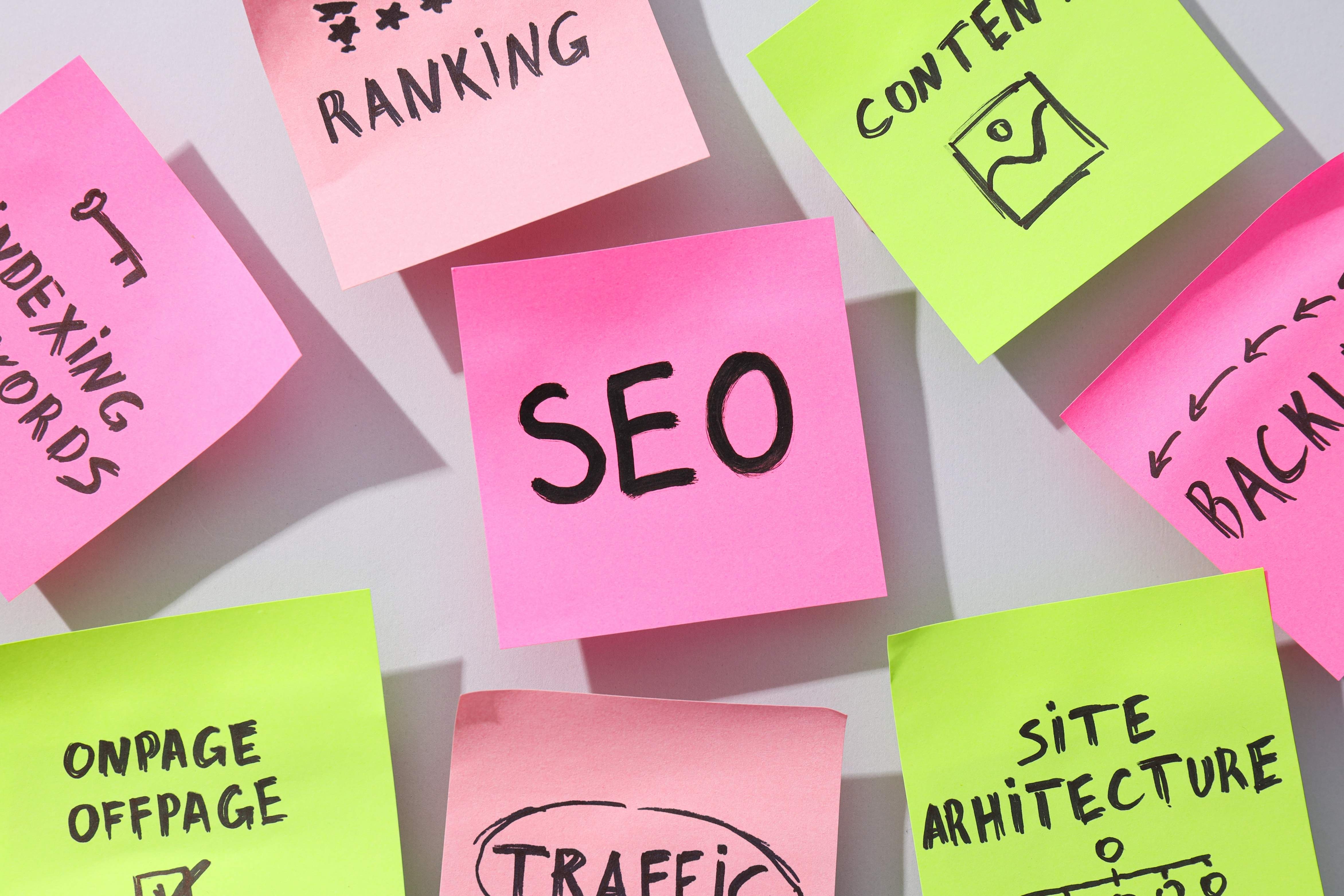
What Is Organic SEO?
The Core Pillars of a Modern Organic SEO Strategy | Organic SEO
Achieving top-tier placement on search engines requires a balanced execution across four distinct foundational pillars. If any one of these pillars is weak, your entire organic growth engine will stall.
| THE 4 PILLARS OF ORGANIC GROWTH |
| 1. Technical SEO
Crawlability & Speed |
2. Topical Authority
The Content Ecosystem |
| 3. User Experience (UX)
Engagement & Core Vitals |
4. Off-Page Trust
Backlinks & Reputation |
Pillar 1: Technical Infrastructure Optimization
Before you write a single word of content, your website must be structurally sound. Search engine crawlers (like Googlebot) use automated software to read your site’s code. If your technical architecture is messy, your pages will not be indexed.
- Site Velocity: Your pages must load in under 2 seconds. Slow websites frustrate users and are actively penalized by ranking algorithms.
- Mobile Adaptability: Over 60% of global web traffic originates from mobile screens. Your user interface must adapt flawlessly to handheld devices.
- Clean Architecture: Implement a logical directory structure and clean URL hierarchies that make it easy for algorithms to map your site’s purpose.
Pillar 2: Topical Authority and Content Architecture
In 2026, search engines have moved completely away from raw keyword matching. Instead, they evaluate topical authority. You can no longer rank a single standalone page for a competitive term without a comprehensive ecosystem of supporting content.
- The Hub-and-Spoke Model: Create an overarching, deep-dive guide on a broad topic (the Hub) and surround it with dozens of laser-targeted articles addressing related niche questions (the Spokes), linking them all back to the main resource.
- Meeting Search Intent: Every search query falls into a specific phase of the buyer’s journey—informational, commercial, navigational, or transactional. Your content must serve that exact intent completely, leaving the user with no reason to click back to search for another source.
Pillar 3: User Engagement Metrics (The New Ranking Signals)
Algorithms closely monitor how human users interact with your webpage once they click through from search results.
- Dwell Time: The length of time a user spends reading your page. High dwell times signal to the algorithm that your content is highly valuable.
- Bounce Rate & Pogo-Sticking: If a user clicks your site and immediately backs out within 5 seconds to click a competitor’s link, your content has failed to satisfy their intent, and your rankings will decline.
Pillar 4: Off-Page Trust and Digital Authority | Organic SEO
The internet runs on reputation. Search engines determine your site’s credibility by looking at who else vouches for you. This is measured primarily through link building.
- High-Quality Backlinks: A backlink is a clickable hyperlink from an external website pointing back to yours. Treat these as digital votes of confidence. One link from an authoritative, highly trusted industry portal is worth more than 500 spammy links from low-tier directories.
- Brand Mentions: Unlinked mentions of your company name across reputable news sites and platforms also help algorithms build a digital trust profile for your business.
The E-E-A-T Framework: Writing for Humans and Algorithms | Organic SEO
Google’s primary content evaluation metric relies on a strict guideline known as E-E-A-T. If your website lacks these four traits, scaling your organic traffic will be nearly impossible.
Experience
You must demonstrate first-hand, real-world experience with the topic you are discussing. Case studies, personal experiments, and original photographs provide clear evidence of true experience that simple AI scrapers cannot replicate.
Expertise
Content must be written by recognized, knowledgeable sources. Citing credentials, featuring author bios, and having medical, legal, or financial topics reviewed by verified professionals protects your readers and builds immediate authority with search engines.
Authoritativeness
This relates to your overall standing in your industry. When other respected websites frequently reference your insights, quote your data, or share your content clusters, your channel builds a high level of authoritativeness.
Trustworthiness
The absolute centerpiece of the framework. Trustworthiness means providing accurate facts, transparent business contact information, clear editorial guidelines, and secure website browsing protocols (HTTPS).
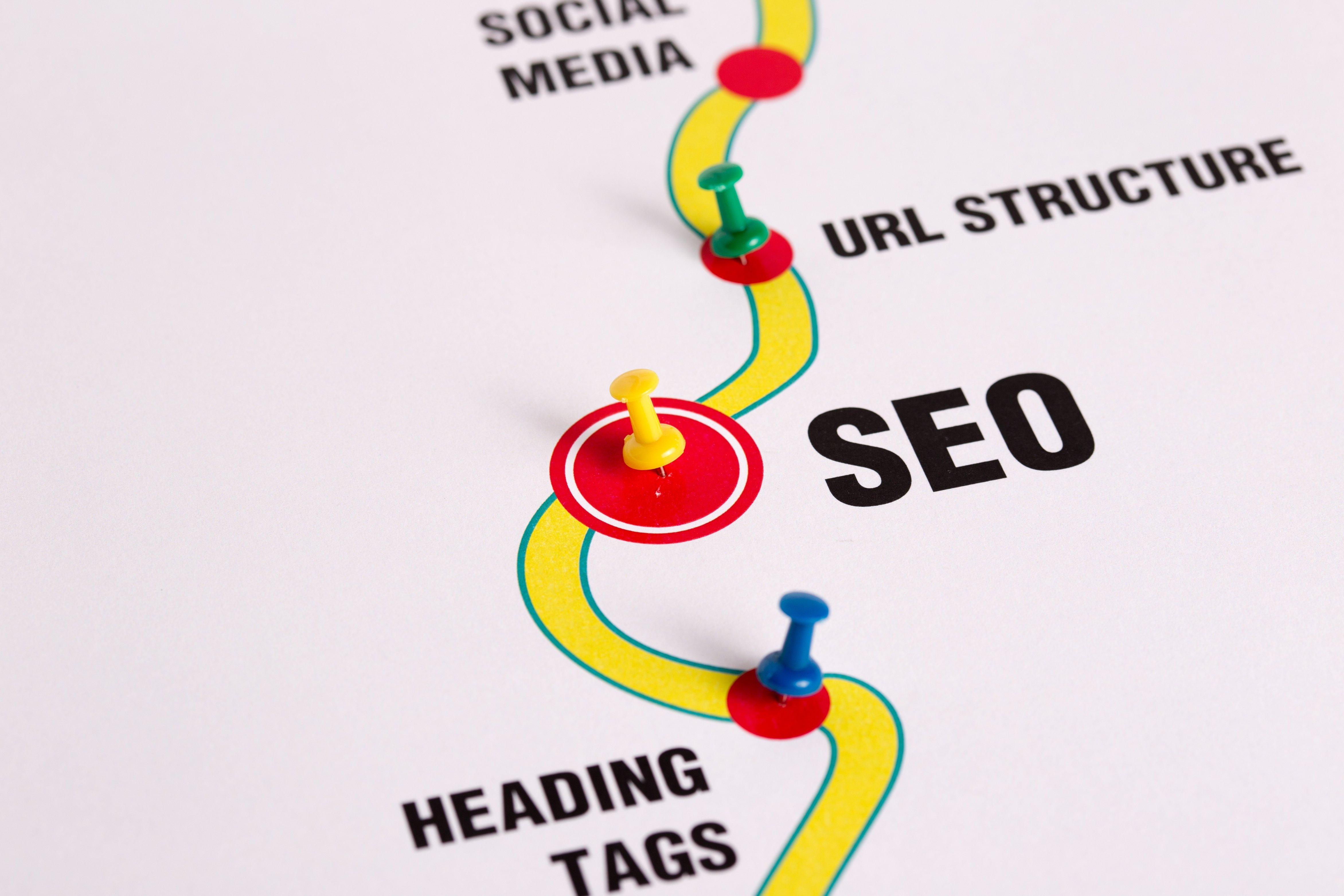
What Is Organic SEO?
Comparative Analysis: Organic SEO vs. Paid Advertising (PPC)
To clearly visualize the long-term economic advantages of an organic search strategy, let’s break down the tangible differences between earned media and paid ad models.
| Business Element | Organic SEO (Earned Media) | Paid Advertising (PPC) |
| Upfront Financial Investment | Low to Moderate (Content & Dev Time) | Exceptionally High (Per-Click Ad Budget) |
| Time to Realize Results | 3 to 6 Months (Requires patience) | Immediate (Minutes after launch) |
| Traffic Scalability | Compounding growth over time | Linear (Stops when funding stops) |
| Baseline Conversion Trust | Exceptionally High (Non-biased editorial) | Moderate to Low (Marked as sponsored) |
| Long-Term Asset Value | Permanent digital equity | Zero residual asset value |
| Algorithm Volatility Risk | Requires regular performance optimization | Susceptible to instant bidding war pricing |
Step-by-Step Execution Plan for High-Converting Organic Traffic
Transitioning your marketing engine away from paid ads into a high-yielding organic pipeline requires an ordered, systematic approach. Follow this structural setup to maximize your organic return on investment:
Step 1: Execute a Content-Gap Search Audit
Use advanced research tools to identify high-volume transactional keywords your main competitors are currently ranking for. Look for valuable terms where their content is outdated or shallow. These gaps represent immediate opportunities for your team to build superior, highly comprehensive guides.
Step 2: Formulate Comprehensive Content Clusters
Group your target terms into tight topical clusters. For example, if you manage a digital agency, do not just write one broad post about marketing. Build a master hub detailing a comprehensive digital marketing plan, and support it with distinct, interlinked spoke articles discussing PPC platforms, conversion rate optimization, and lead generation strategy.
Step 3: Optimize On-Page Element Architecture
Ensure every piece of content features optimized formatting that allows search engine crawlers to parse your value easily:
- Title Tags: Include your primary targeted keyword naturally near the front of the title.
- Heading Structure (H2, H3): Break down sections logically using clear headings that mirror common user search sub-queries.
- Image Alt-Text: Provide descriptive text for every visual asset to help algorithms understand your context and capture traffic from image search engines.
Step 4: Launch a Strategic Link-Building Campaign
Reach out to high-authority resource sites, industry blogs, and podcasts within your ecosystem. Offer to contribute deeply researched guest features or share original industry data. Securing these editorial contextual links will rapidly accelerate your domain’s organic ranking speed.
Conversion Rate Optimization (CRO): Turning Clicks into Revenue
Generating millions of organic impressions is a fantastic vanity metric, but impressions do not pay the bills. The true success of an organic SEO pipeline is measured by how effectively your website turns casual informational traffic into actual paying business leads.
This requires integrating an airtight conversion rate optimization (CRO) strategy directly into your content layouts.
Crafting High-Performing CTAs
Every blog post and landing page must feature a highly strategic, prominent Call to Action (CTA). If a user finishes reading your article and has to scroll back to the top to find out how to work with you, your conversions will tank.
- Value-Focused Phrasing: Avoid lazy, generic button text like “Submit” or “Click Here.” Use active, benefit-driven language instead, such as “Claim My Free Traffic Audit” or “Download the Complete Strategy Guide.”
- Visual Contrast: Ensure your CTA buttons contrast sharply against your website’s background palette, drawing the eye naturally as a user scrolls through your content.
Eliminating Lead Capture Friction
Keep your conversion forms as streamlined as possible. Every additional input field you force a prospect to fill out drastically lowers your overall conversion metrics. For initial lead generation, ask for nothing more than a name and an email address. You can easily capture deeper qualifying information later through automated email nurture campaigns.
Navigating Search Generative Experience (SGE) in 2026 | Organic SEO
The integration of artificial intelligence into search engines has shifted user behavior significantly. Features like Google’s Search Generative Experience (SGE) now display direct, AI-synthesized answers at the absolute top of the SERPs.
To survive and thrive in this environment, your organic strategy must adapt.
Optimizing for Conversational and Long-Tail Queries
Users are no longer searching using fragmented, robotic keyword phrases like “best watch shop.” Instead, they are asking complete, conversational questions, such as “What are the best automatic watches under $300 available for delivery in my area?”
- To win these placements, your content must incorporate natural, long-tail questions and provide direct, un-fluffed answers within the first few paragraphs of your text blocks.
Becoming a Primary Information Source
AI search models do not invent answers out of thin air; they summarize the most credible data points available on the web and link back to those sources. To ensure your website is consistently cited inside AI-generated summaries, your brand must produce original research, publish proprietary statistics, and establish unmistakable topical authority across your core niche.
Tracking Metrics that Matter: Moving Beyond Rankings | Organic SEO
To accurately evaluate the ROI of your organic strategy, you must look past simple search position metrics. A highly successful, conversion-driven campaign relies on auditing three core performance metrics:
Click-Through Rate (CTR) Optimization
A page ranking in position two is useless if your title and meta description are so uninspiring that users skip past your link. Monitor your Google Search Console data closely. If a page displays a high volume of impressions but a low CTR, immediately experiment with more compelling, benefit-focused titles to win the click.
Baseline Session Duration & User Depth
Analyze your web tracking platform to verify how long organic visitors stay on your site. If your average session duration is under a minute, it implies your content isn’t truly satisfying the user’s intent. Continually optimize your pacing, add relevant visual assets, and eliminate walls of dense text to keep readers engaged deeper down the page.
Organic Lead Attribution Tracking
Configure custom conversion events within your analytics pipeline to trace exactly which blog posts or technical landing pages generated your actual business revenue. Identifying your highest-converting content assets allows you to strategically replicate those content structures across future cluster campaigns.
Summary Checklist for Sustainable Organic Growth | Organic SEO
To ensure your web properties are fully optimized to capture high-value organic visibility without relying on expensive ad networks, use this master operational checklist:
- Full Technical Audit Conducted: Site loading times under 2 seconds, fully responsive across mobile layouts, and zero indexing errors.
- Topical Authority Map Structured: Content organized via clean hub-and-spoke models using robust internal linking paths.
- E-E-A-T Framework Implemented: Clear author bio transparency, first-party data citations, and robust trust markers deployed.
- Search Intent Satisfied: Every targeted page tailored specifically to answer the user’s underlying informational or commercial search query.
- High-Contrast CTAs Integrated: Value-focused, action-oriented button prompts deployed contextually within the reading path.
- Anatomy Optimized for AI Search: Direct, conversational answers placed near the top of pages to win citations in generative summaries.
- Link Profile Diversified: Active campaigns running to secure high-quality editorial backlinks from reputable industry channels.
Paid advertising is an increasingly expensive, short-term lease on web traffic. By shifting your resources into a comprehensive, conversion-focused organic SEO strategy, you break free from the margins-crushing ad treadmill. You transform your website into a permanent, self-sustaining digital asset that captures high-value traffic, builds unmatched consumer trust, and drives predictable business growth for years to come.