
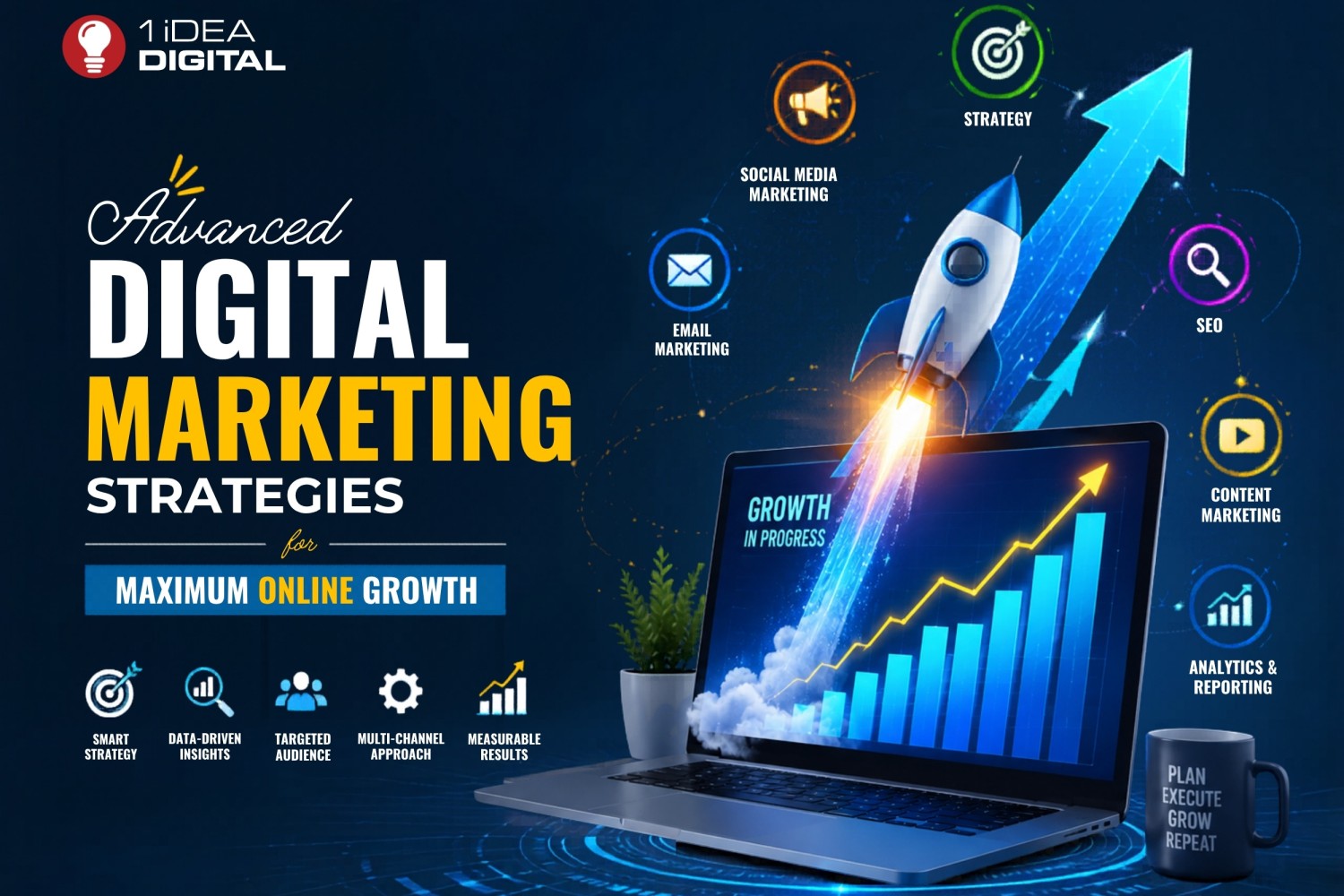
Advanced Digital Marketing Strategies for Maximum Online Growth
Digital marketing has become one of the most powerful tools for businesses to grow online, attract customers, and increase sales. In today’s competitive digital world, brands must use advanced marketing strategies to stay ahead of competitors and build a strong online presence. From search engine optimization (SEO) to social media marketing, every digital marketing technique plays a major role in business success. Companies that use modern digital marketing strategies can reach targeted audiences, improve customer engagement, and generate higher revenue.
Search Engine Optimization (SEO)
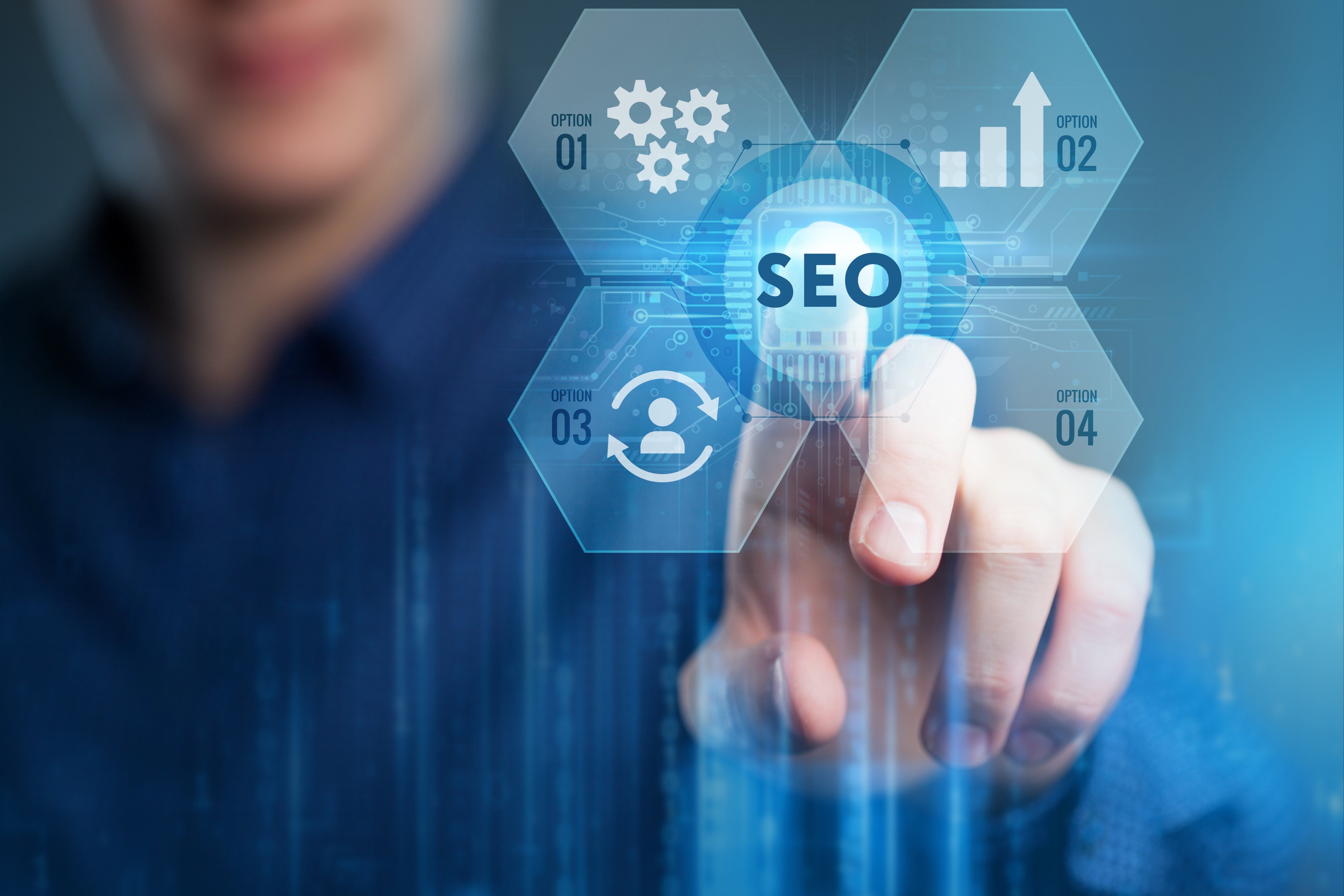
Search Engine Optimization (SEO) is one of the most important digital marketing strategies for increasing online visibility and organic traffic. SEO helps websites rank higher on search engines like Google, making it easier for customers to find products and services online. Businesses that invest in SEO can achieve long-term growth without depending entirely on paid advertisements.
A successful SEO strategy includes keyword research, on-page SEO, technical SEO, and link building. Keyword research helps businesses identify what users are searching for online. By targeting relevant keywords naturally within website content, blogs, product descriptions, and landing pages, businesses can improve search engine rankings.
On-page SEO focuses on optimizing titles, meta descriptions, headers, images, and internal links. Technical SEO improves website speed, mobile responsiveness, crawlability, and security. Google prioritizes websites that provide a smooth user experience and fast loading times.
Digital Marketing
Backlink building is another important SEO factor. High-quality backlinks from trusted websites improve domain authority and search rankings. Businesses should also create informative and valuable content regularly to maintain strong SEO performance.
Local SEO is equally important for businesses targeting specific locations. Optimizing Google Business Profile listings, local keywords, and customer reviews can increase local search visibility.
SEO provides long-term benefits, including higher traffic, improved brand trust, increased conversions, and better return on investment. Companies that consistently invest in SEO can dominate search engine results and maintain sustainable online growth.
Social Media Marketing (SMM)
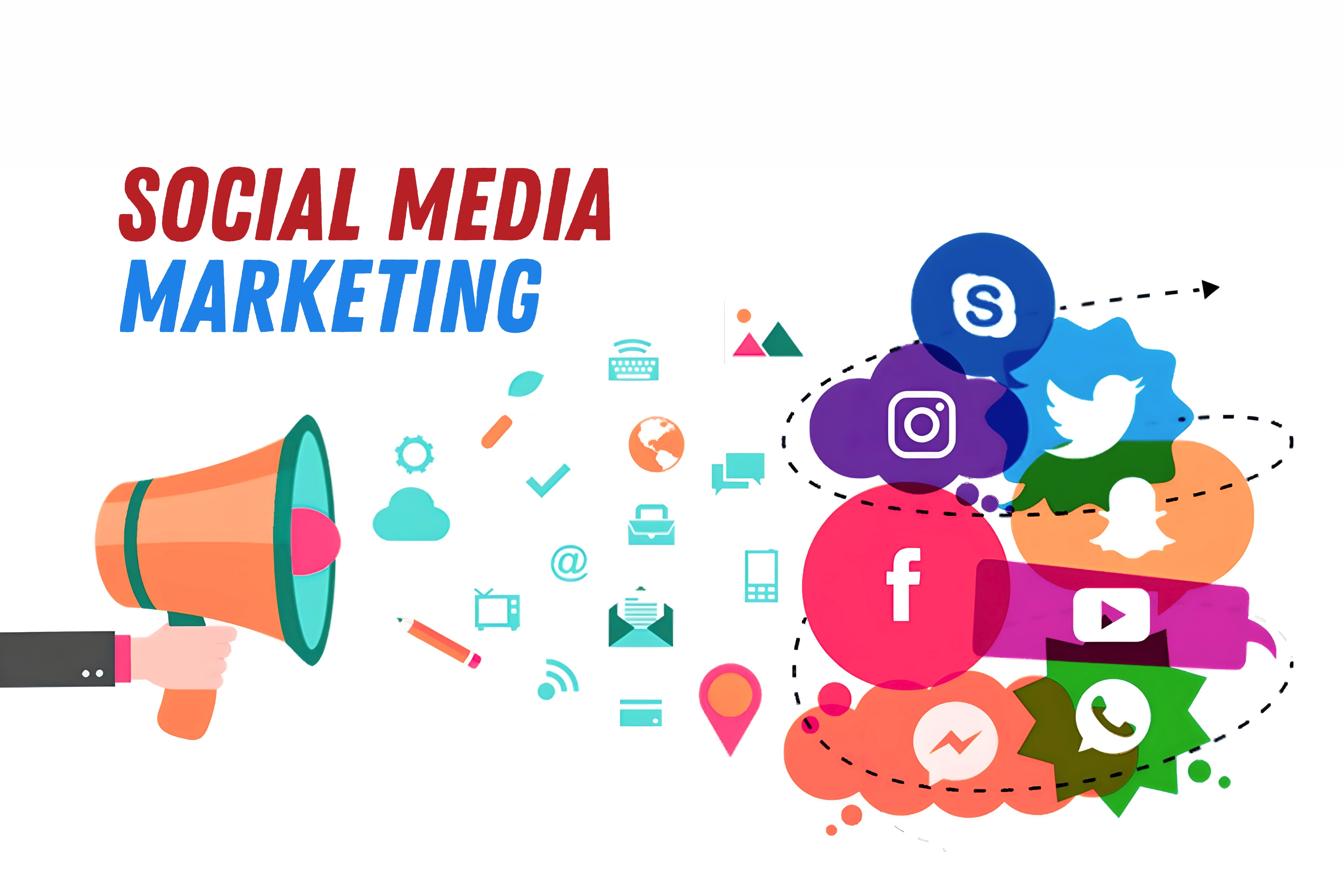
Social Media Marketing (SMM) is one of the most effective ways to connect with audiences, build brand awareness, and drive business growth. Platforms like Facebook, Instagram, TikTok, LinkedIn, Pinterest, and X allow businesses to engage directly with customers through creative content and advertising campaigns.
An effective social media marketing strategy starts with understanding the target audience. Businesses must create engaging content that matches audience interests and platform behavior. High-quality images, videos, reels, stories, and interactive posts can significantly improve engagement.
Consistency is essential in social media marketing. Posting regularly helps businesses stay active and visible in users’ feeds. Brands should also use trending hashtags, influencer collaborations, and social media ads to increase reach.
Paid social media advertising allows businesses to target specific demographics based on age, interests, behavior, and location. This improves lead generation and conversion rates. Facebook Ads and Instagram Ads are especially popular for e-commerce businesses and service providers.
Digital Marketing
Social media also improves customer relationships. Businesses can answer questions, solve problems, and collect feedback instantly. This increases customer trust and loyalty.
Analytics tools help track engagement, impressions, clicks, and conversions. Businesses can analyze performance data to optimize campaigns and improve marketing strategies.
Social media marketing is essential for modern businesses because it boosts visibility, strengthens brand identity, increases customer engagement, and drives long-term online growth.
Content Marketing | Digital Marketing
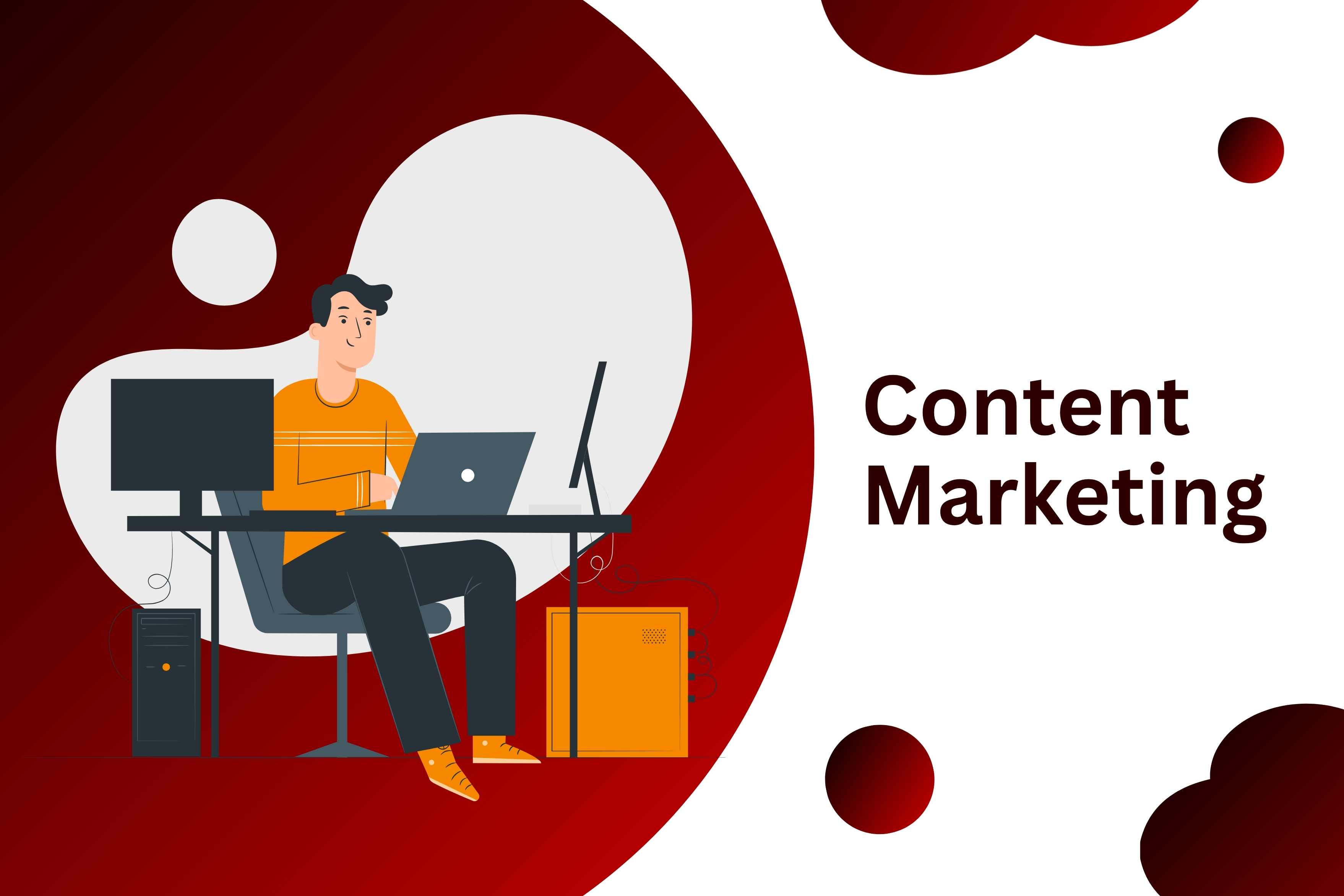
Content marketing is a powerful digital marketing strategy focused on creating valuable, relevant, and informative content to attract and engage audiences. Businesses use content marketing to educate customers, improve SEO performance, and build trust.
High-quality content includes blog posts, articles, videos, infographics, guides, case studies, podcasts, and social media content. Informative content helps businesses establish authority in their industry while increasing organic traffic from search engines.
SEO and content marketing work together. By targeting relevant keywords naturally within content, businesses can improve search engine rankings and attract qualified visitors. Well-optimized content also increases website engagement and reduces bounce rates.
Digital Marketing
Storytelling is another important aspect of content marketing. Businesses that tell authentic stories can connect emotionally with customers. This improves brand loyalty and customer retention.
Consistency is key to successful content marketing. Publishing regular content keeps websites active and improves visibility. Businesses should focus on solving customer problems, answering questions, and providing useful insights.
Visual content is becoming increasingly important. Videos, infographics, and interactive content often generate higher engagement than text alone. Businesses should also repurpose content across multiple platforms for better reach.
Content marketing delivers long-term benefits such as higher website traffic, improved SEO rankings, increased lead generation, and stronger brand authority. Businesses that invest in quality content can achieve sustainable online growth and build lasting customer relationships.
Email Marketing
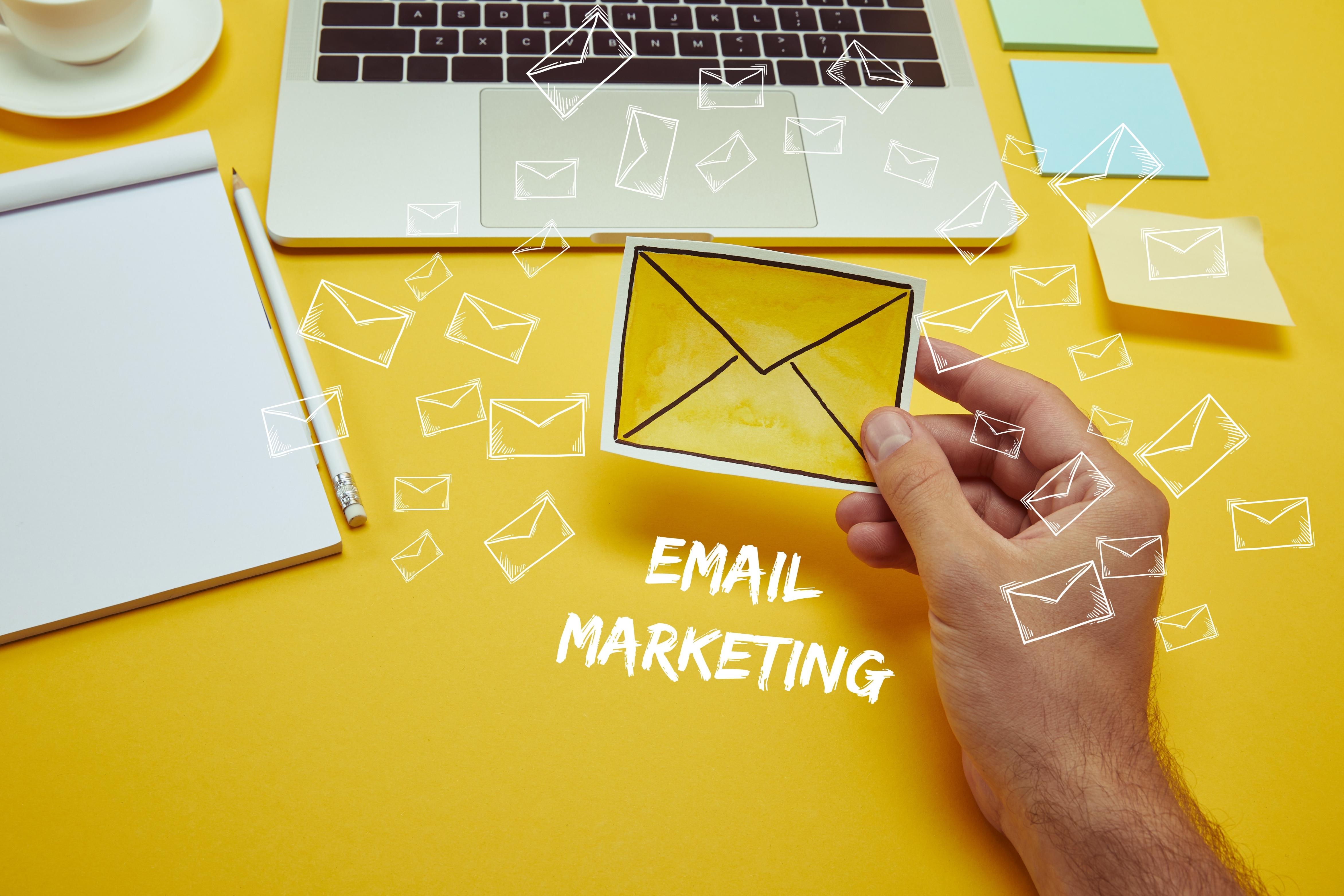
Email marketing remains one of the highest-performing digital marketing strategies for customer engagement and sales generation. Businesses use email marketing to communicate directly with customers through newsletters, promotional campaigns, product updates, and personalized offers.
One of the biggest advantages of email marketing is personalization. Businesses can segment email lists based on customer behavior, purchase history, and interests. Personalized emails increase open rates, click-through rates, and conversions.
Automation also plays a major role in email marketing success. Automated welcome emails, abandoned cart reminders, and follow-up sequences help businesses nurture leads and improve customer retention.
An effective email marketing campaign requires compelling subject lines, engaging content, and strong calls-to-action. Mobile-friendly email designs are essential because many users open emails on smartphones.
Digital Marketing
Businesses should also focus on building high-quality email lists through website forms, lead magnets, and promotions. Sending valuable content consistently helps maintain subscriber engagement.
Analytics tools allow businesses to monitor email performance, including open rates, click rates, conversions, and unsubscribe rates. These insights help improve future campaigns.
Email marketing is cost-effective, measurable, and highly scalable. It helps businesses increase customer loyalty, generate repeat sales, and maximize marketing ROI.
Affiliate Marketing
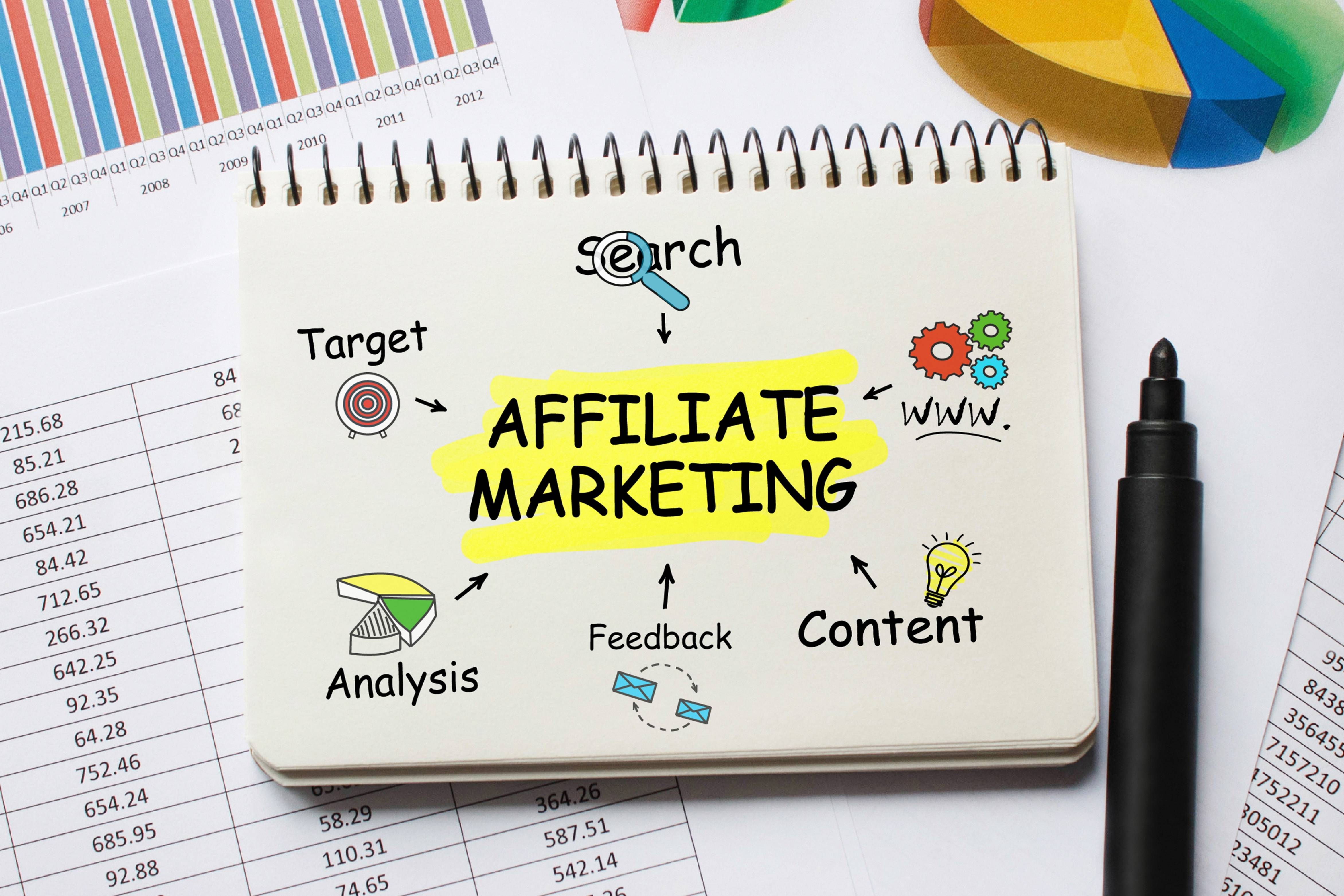
Affiliate marketing is a performance-based marketing strategy where affiliates promote products or services in exchange for commissions. This strategy helps businesses expand their reach and increase sales with minimal advertising risk.
Businesses partner with bloggers, influencers, website owners, and marketers who promote products through unique affiliate links. Affiliates earn commissions for every successful sale or lead generated.
Affiliate marketing is highly beneficial because businesses only pay for actual results. This makes it cost-effective compared to traditional advertising methods.
Digital Marketing
Successful affiliate marketing requires selecting reliable affiliates with strong audience engagement. Businesses should provide affiliates with banners, promotional materials, and tracking tools.
SEO and content marketing also support affiliate marketing growth. Affiliates often create product reviews, tutorials, and comparison articles that rank on search engines and generate traffic.
Tracking software helps businesses monitor clicks, conversions, and affiliate performance. This ensures transparency and accurate commission management.
Affiliate marketing increases brand visibility, drives targeted traffic, improves sales, and creates scalable business growth opportunities.
Influencer Marketing
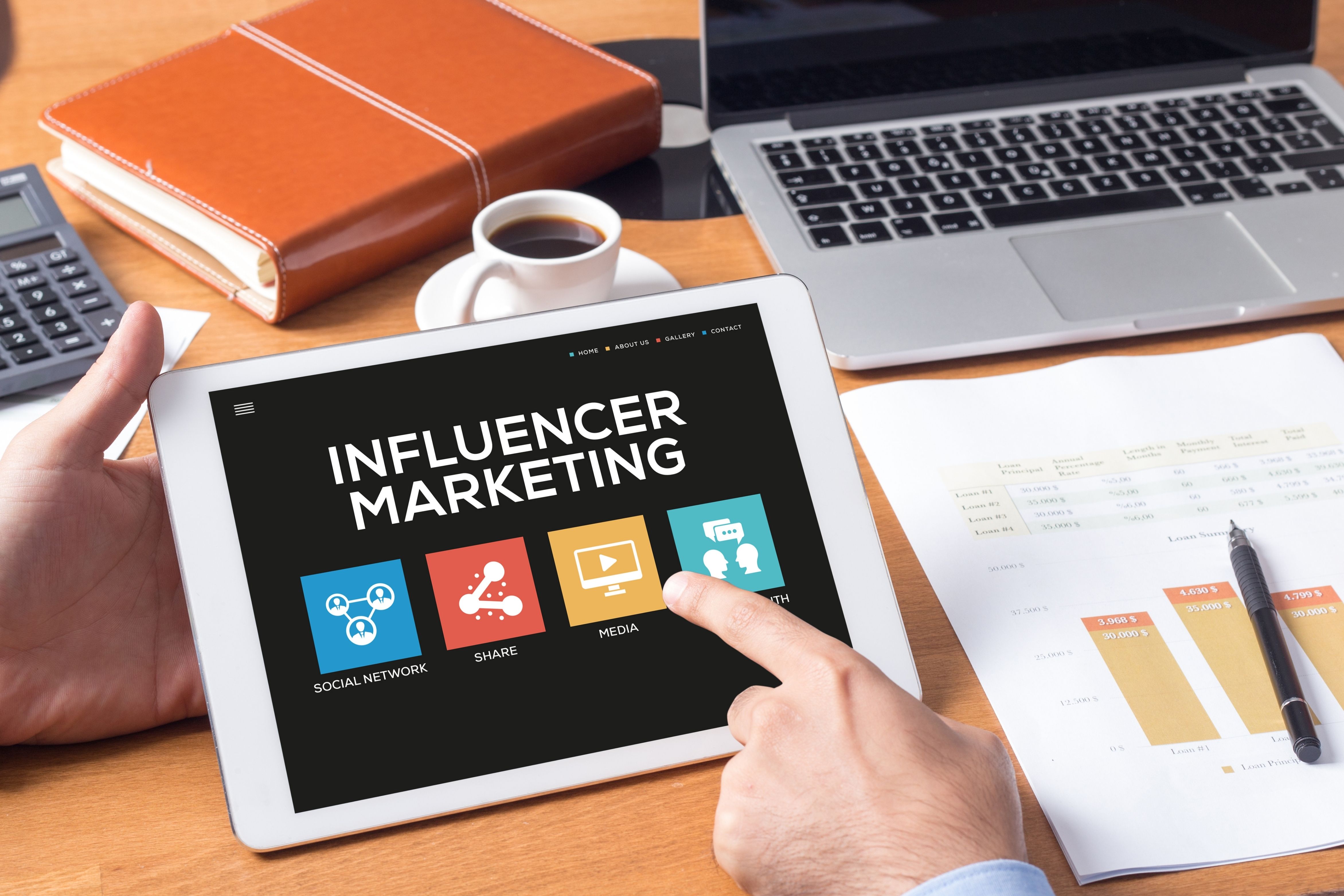
Influencer marketing has become one of the fastest-growing digital marketing strategies. Businesses collaborate with social media influencers and content creators to promote products and services authentically.
Influencers already have loyal followers who trust their recommendations. This helps businesses build credibility and reach highly targeted audiences.
Brands can work with macro-influencers, micro-influencers, and niche creators depending on campaign goals and budgets. Microinfluencers often generate higher engagement rates because of their close audience relationships.
Successful influencer marketing campaigns focus on authentic storytelling rather than direct advertising. Creative videos, reviews, tutorials, and lifestyle content perform particularly well.
Digital Marketing
Businesses should select influencers whose audience matches their target market. Metrics such as engagement rate, follower quality, and content style are important when choosing partnerships.
Influencer marketing increases brand awareness, customer trust, social proof, and conversions. It is especially effective for fashion, beauty, technology, fitness, and e-commerce brands.
Video Marketing
Video marketing is one of the most engaging forms of digital marketing. Videos help businesses explain products, tell stories, demonstrate services, and connect emotionally with audiences.
Platforms like YouTube, TikTok, Instagram Reels, and Facebook Videos have transformed how brands communicate online. Short-form videos are especially popular because they capture attention quickly.
Educational videos, product demonstrations, tutorials, testimonials, and behind-the-scenes content are highly effective for engagement. Businesses that use video marketing often experience higher conversion rates and stronger brand recall.
SEO also benefits from video marketing. Optimized video titles, descriptions, tags, and transcripts improve search visibility. Videos embedded on websites can increase user engagement and reduce bounce rates.

Digital Marketing
Consistency and creativity are essential for video marketing success. Businesses should focus on high-quality visuals, storytelling, and audience-focused content.
Video marketing helps increase traffic, social shares, brand trust, and customer engagement, making it a crucial strategy for modern online growth.
Pay-Per-Click Advertising (PPC)
Pay-Per-Click Advertising (PPC) is a digital advertising strategy where businesses pay each time users click on their ads. PPC provides immediate visibility on search engines and social media platforms.
Google Ads is one of the most popular PPC platforms. Businesses can target keywords related to their products and services to appear at the top of search results.
PPC campaigns require proper keyword research, audience targeting, and ad optimization. Businesses should create compelling ad copy with strong calls-to-action to maximize clicks and conversions.
Landing page optimization is also important for PPC success. Fast-loading and user-friendly landing pages improve conversion rates and reduce advertising costs.
Remarketing campaigns help businesses reconnect with users who previously visited their websites. This increases conversion opportunities.

Digital Marketing
PPC provides measurable results including impressions, clicks, conversions, and return on ad spend. Businesses can scale campaigns based on performance data.
PPC advertising is ideal for generating instant traffic, leads, and sales while supporting long-term marketing growth.
Mobile Marketing
Mobile marketing focuses on reaching customers through smartphones and tablets. Since mobile internet usage continues to grow rapidly, businesses must optimize marketing strategies for mobile users.
Responsive websites are essential for mobile marketing success. Websites should load quickly and provide smooth user experiences on all screen sizes.
Businesses use SMS marketing, mobile apps, push notifications, and mobile-friendly ads to engage users directly. Personalized mobile campaigns improve customer interaction and conversions.
Location-based marketing is another important mobile strategy. Businesses can send offers and promotions based on users’ geographic locations.

Digital Marketing
Mobile video content, social media apps, and voice search optimization also play major roles in modern mobile marketing.
Mobile marketing improves accessibility, customer engagement, and purchasing convenience. Businesses that prioritize mobile experiences can significantly increase online growth.
E-commerce Marketing
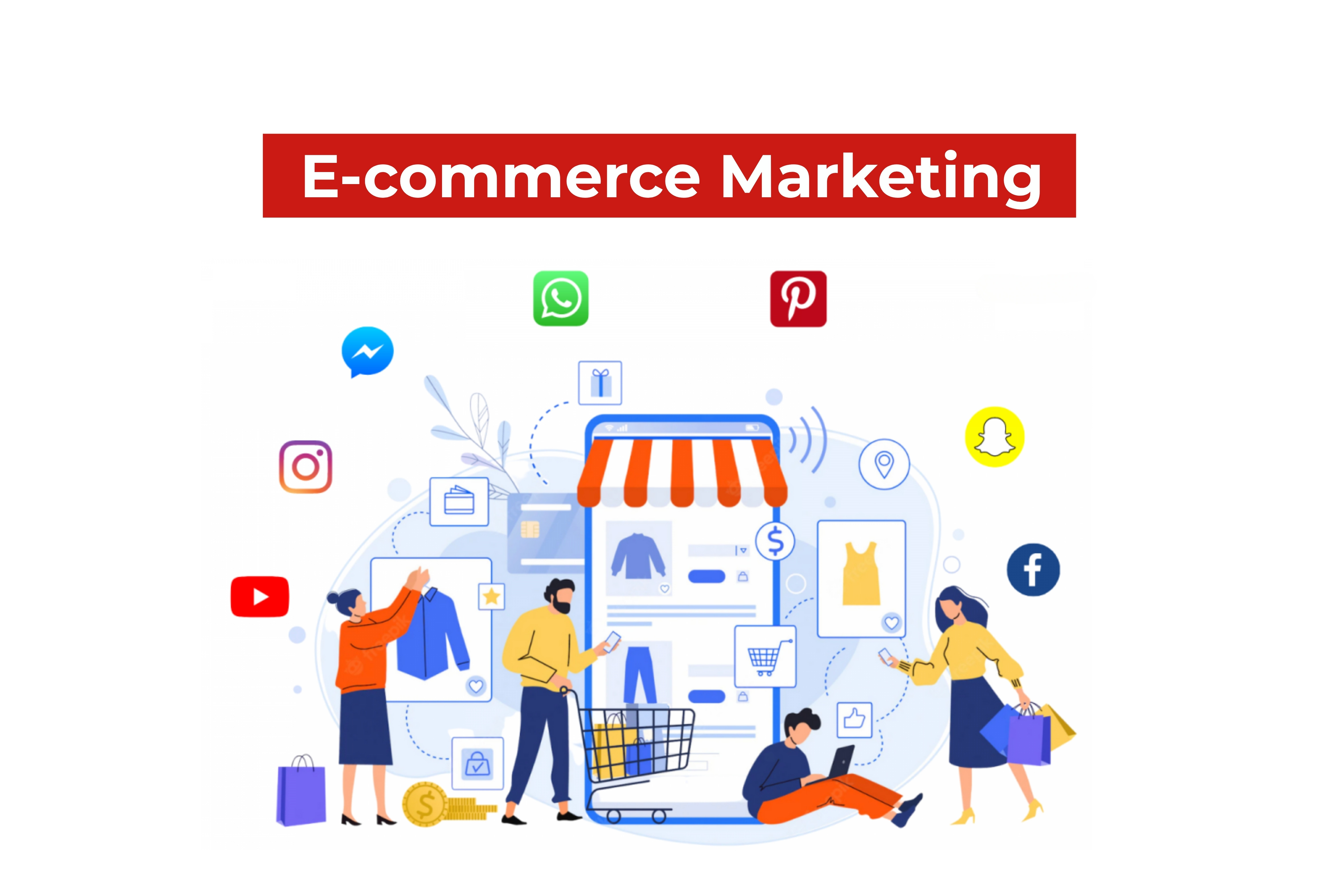
E-commerce marketing involves strategies designed to increase online store visibility, traffic, and sales. With the rise of online shopping, e-commerce businesses must use advanced digital marketing techniques to compete effectively.
SEO is essential for e-commerce websites. Optimized product pages, category descriptions, and keywords improve search rankings and organic traffic.
Social media advertising and influencer collaborations help showcase products to targeted audiences. Product videos and customer reviews increase buyer confidence.
Email marketing supports customer retention through abandoned cart emails, promotional offers, and personalized recommendations.
Digital Marketing
Retargeting campaigns help recover potential customers who visited product pages but did not complete purchases.
E-commerce businesses should also focus on website speed, mobile optimization, secure payment systems, and user-friendly navigation.
Effective e-commerce marketing increases brand visibility, conversion rates, customer loyalty, and online revenue.
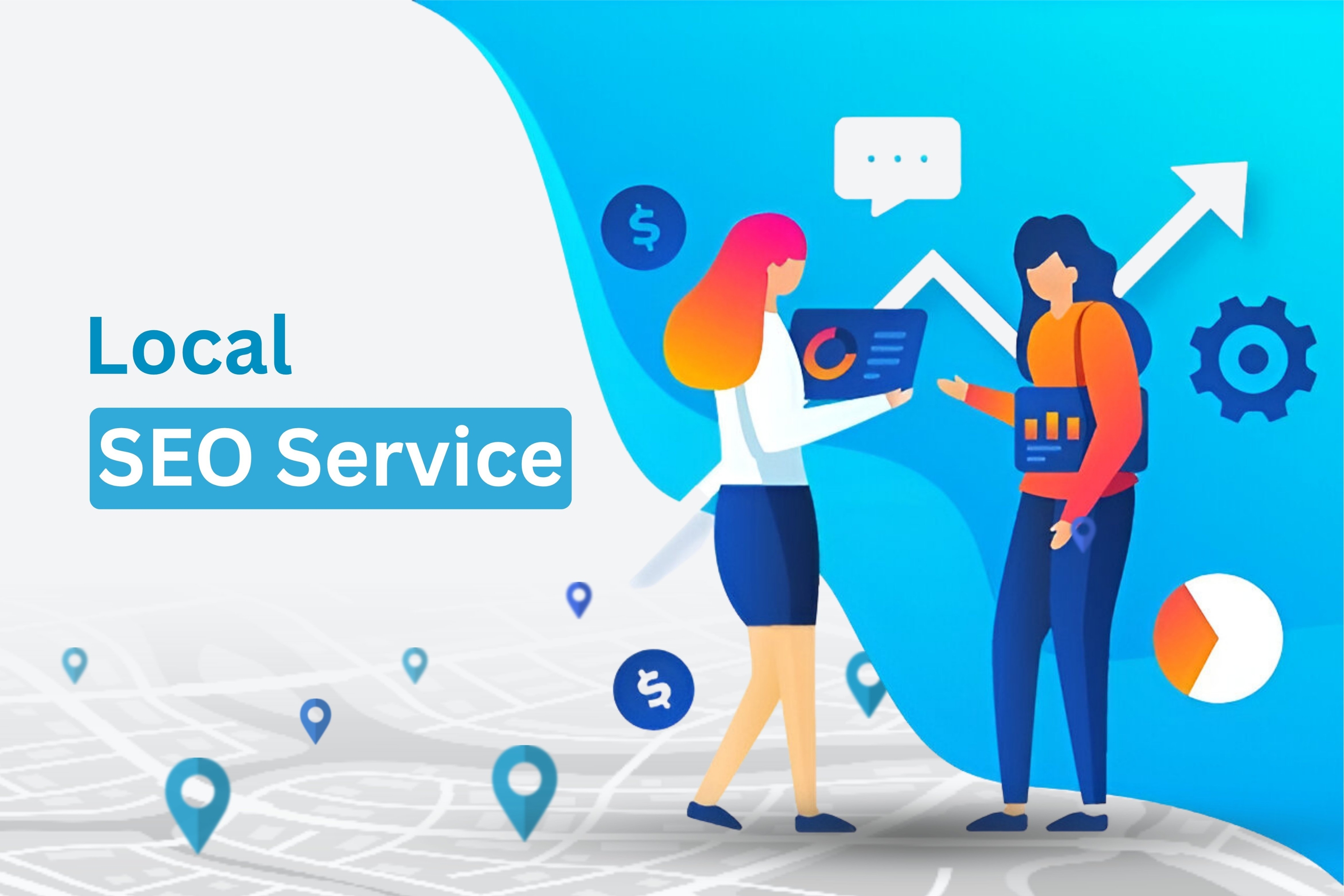
Local SEO
Local SEO helps businesses improve visibility in local search results. It is especially important for restaurants, retail stores, clinics, agencies, and service-based businesses.
Optimizing Google Business Profile listings is a key part of local SEO. Accurate business information, photos, reviews, and location details improve local rankings.
Businesses should use location-specific keywords within website content, titles, and meta descriptions. Local citations and directory listings also strengthen local authority.
Customer reviews significantly impact Local SEO performance. Positive reviews increase trust and improve rankings in local search results.
Digital Marketing
Mobile optimization is essential because many local searches happen on smartphones. Fast-loading websites and click-to-call features improve user experiences.
Local SEO helps businesses attract nearby customers, increase foot traffic, and generate more local leads.
Conversion Rate Optimization (CRO)
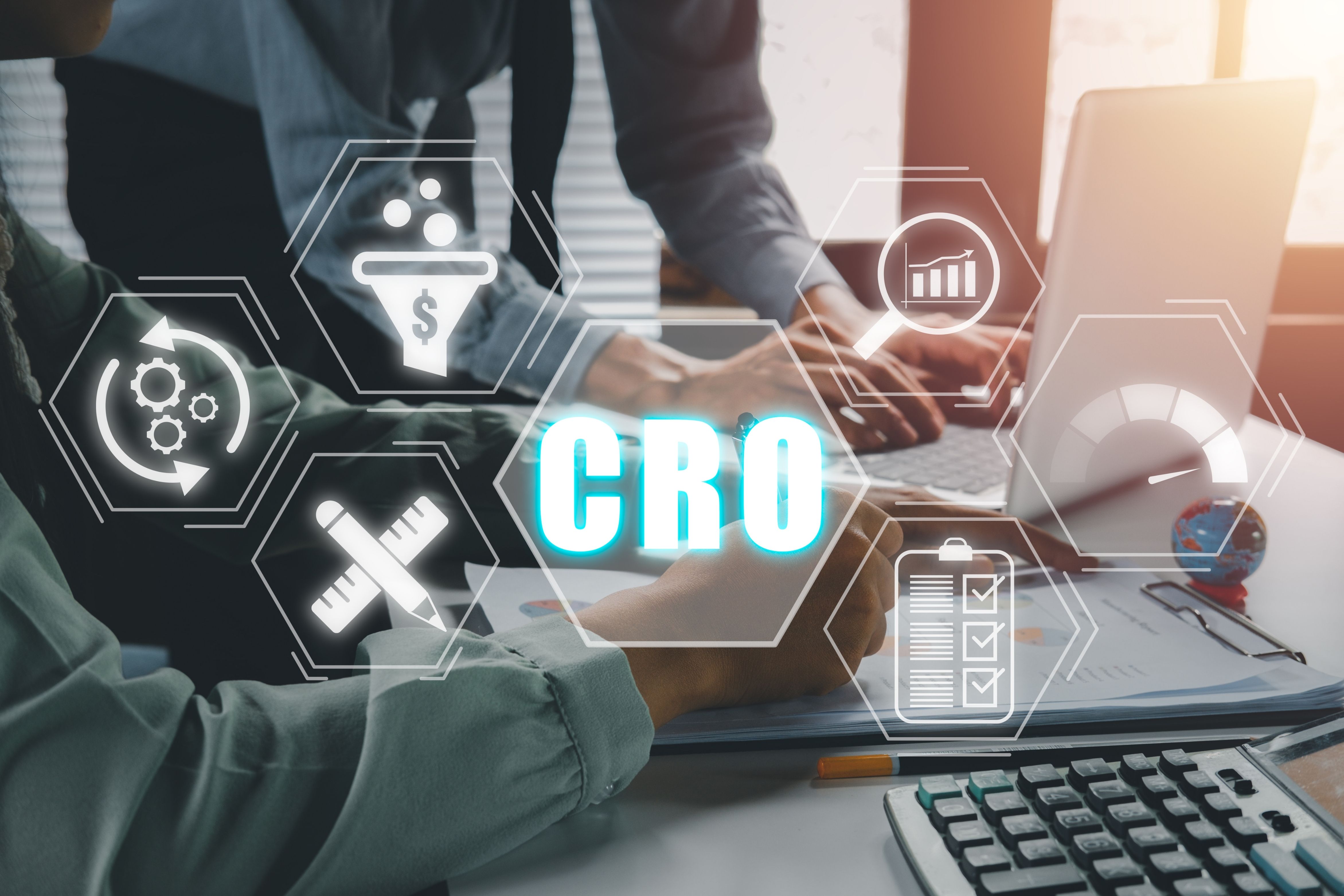
Conversion Rate Optimization (CRO) focuses on improving website performance to increase conversions. Instead of only increasing traffic, CRO helps businesses maximize results from existing visitors.
CRO strategies include improving website design, simplifying navigation, optimizing calls-to-action, and testing landing pages.
A/B testing is widely used in CRO. Businesses compare different versions of pages, buttons, headlines, and forms to determine which performs best.
User behavior analysis tools such as heatmaps and session recordings help identify customer pain points.
Digital Marketing
Trust signals like reviews, testimonials, security badges, and guarantees increase user confidence and conversion rates.
Mobile optimization is also critical because poor mobile experiences reduce conversions.
Effective CRO improves lead generation, sales, customer experience, and marketing ROI.
Marketing Automation
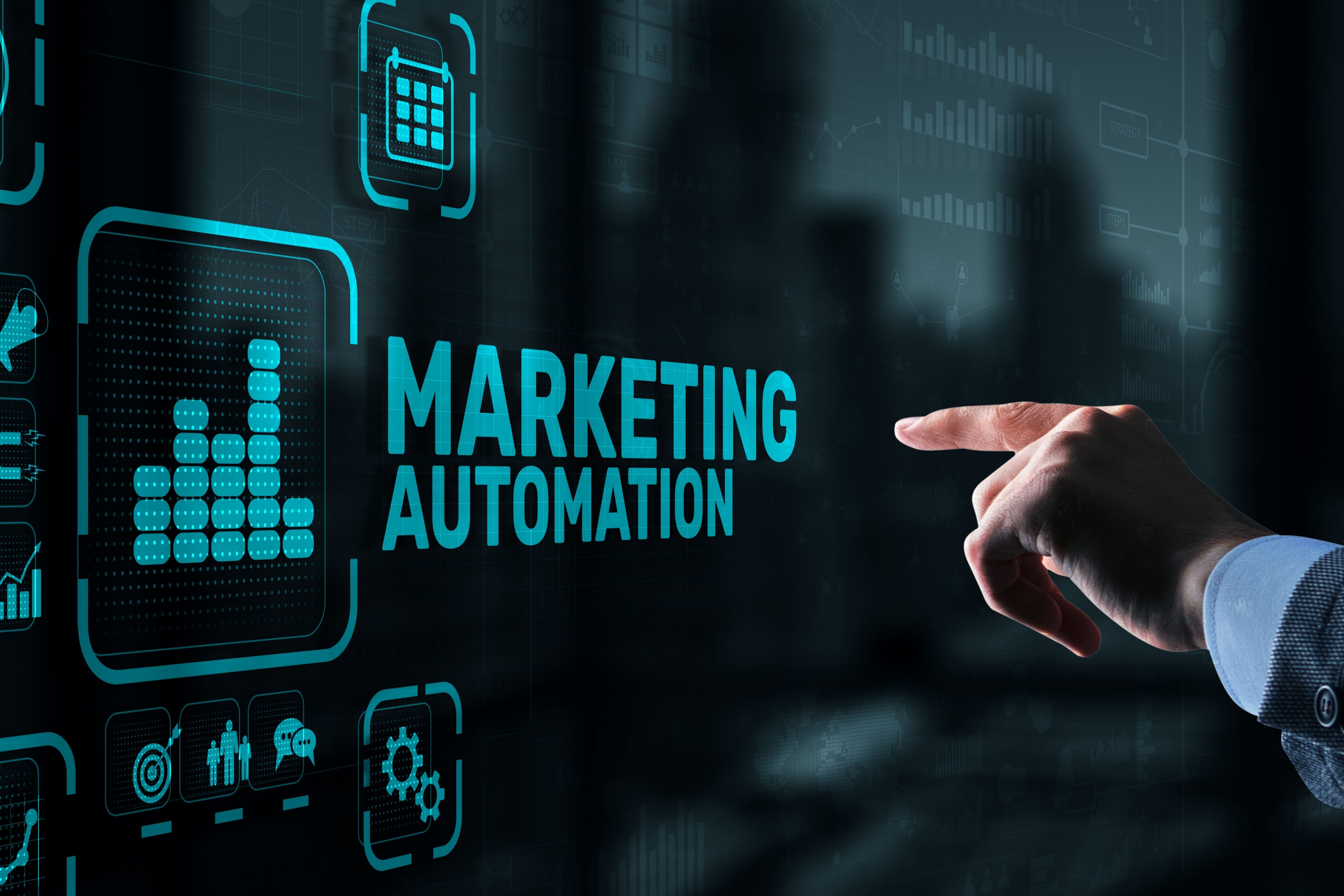
Marketing automation uses software and technology to automate repetitive marketing tasks. Businesses use automation to improve efficiency, save time, and deliver personalized customer experiences.
Automation tools help manage email campaigns, lead nurturing, social media scheduling, customer segmentation, and CRM activities.
Automated workflows guide customers through the sales funnel using personalized messages and triggers.
Businesses can track customer behavior and send targeted recommendations based on user interactions.
Digital Marketing
Marketing automation improves productivity and helps businesses scale marketing operations efficiently.
By reducing manual work and improving personalization, automation increases customer engagement, lead conversions, and overall marketing performance.
Online Reputation Management (ORM)
Online Reputation Management (ORM) focuses on maintaining a positive brand image across search engines, social media, and review platforms.
Customers often research brands online before making purchases. Negative reviews and poor online reputations can damage trust and reduce sales.
Businesses should monitor online mentions, respond professionally to customer feedback, and encourage satisfied customers to leave positive reviews.

Digital Marketing
Content marketing and SEO also support ORM by promoting positive content that ranks higher in search results.
Social media listening tools help businesses track conversations and identify reputation risks quickly.
A strong online reputation improves customer trust, credibility, and long-term business growth.
Display Advertising
Display advertising uses visual banner ads, images, and interactive creatives across websites and apps to attract audiences.
Display ads increase brand awareness and help businesses reach potential customers during different stages of the buying journey.
Remarketing display ads are highly effective because they target users who previously visited websites.
Creative visuals, compelling headlines, and strategic placements improve ad performance.
Businesses can target audiences based on demographics, interests, behavior, and browsing history.

Digital Marketing
Display advertising increases visibility, supports branding, and drives additional website traffic.
Native Advertising | Digital Marketing
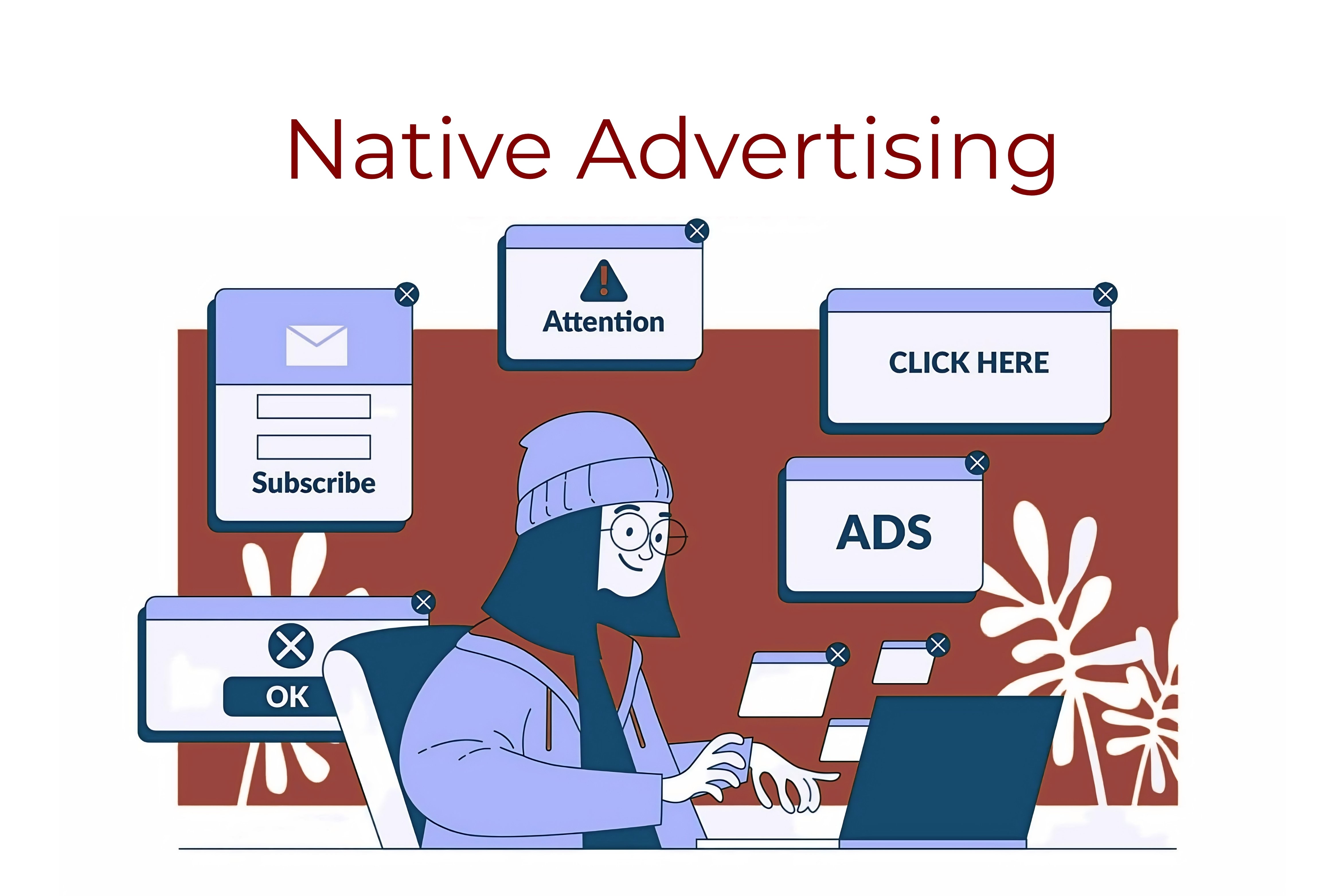
Native advertising involves promotional content designed to match the style and format of the platform where it appears.
Unlike traditional ads, native ads feel more natural and less intrusive. This improves engagement and user trust.
Sponsored articles, recommended content, and in-feed social media ads are common examples of native advertising.
Successful native advertising focuses on valuable and relevant content rather than aggressive sales messaging.
Digital Marketing
Businesses use native advertising to increase brand awareness, drive traffic, and improve conversions while maintaining positive user experiences.
Podcast Marketing | Digital Marketing
Podcast marketing is becoming increasingly popular as more audiences consume audio content daily.
Businesses can sponsor podcasts, advertise products during episodes, or create branded podcast shows.
Podcasts help brands connect with audiences in a more personal and engaging way. Listeners often trust podcast hosts, making recommendations highly influential.
Educational discussions, interviews, and storytelling make podcast marketing effective for brand building.

Digital Marketing
Podcast marketing improves audience engagement, brand authority, and customer loyalty.
Voice Search Marketing | Digital Marketing
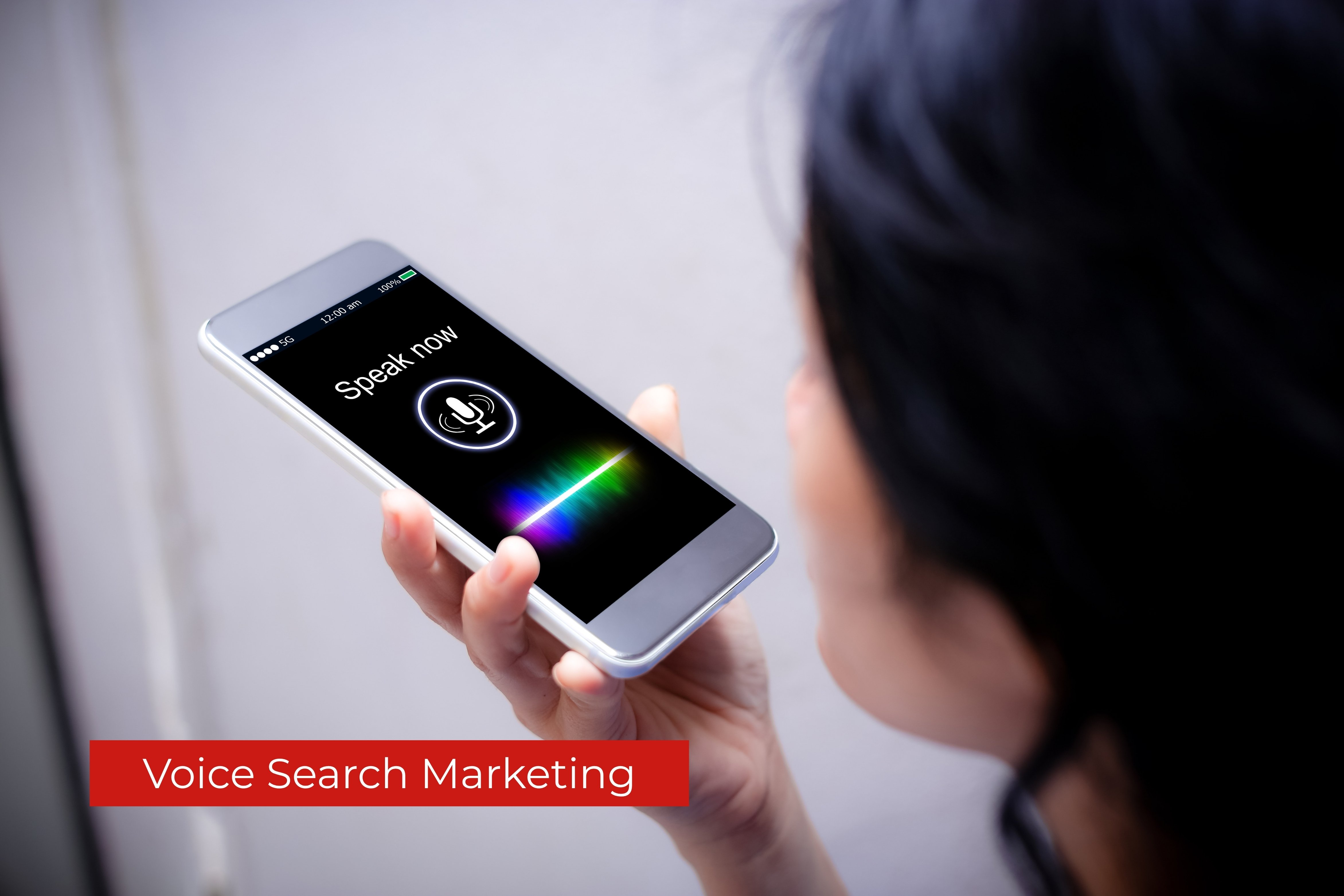
Voice search marketing focuses on optimizing content for voice-based searches using digital assistants like Google Assistant, Alexa, and Siri.
Voice searches are usually conversational and question-based. Businesses should optimize content using natural language and FAQ-style content.
Local SEO is especially important for voice search because many users search for nearby businesses using voice commands.
Fast-loading mobile websites and structured data also improve voice search visibility.
Digital Marketing
Voice search marketing helps businesses stay competitive as voice technology continues to grow.
Chatbot Marketing | Digital Marketing
Chatbot Marketing uses AI-powered chatbots to automate customer communication and improve user experiences.
Chatbots provide instant responses, answer frequently asked questions, and guide customers through purchasing processes.
Businesses use chatbots on websites, Facebook Messenger, WhatsApp, and mobile apps.
AI chatbots improve customer support availability while reducing response times and operational costs.
Personalized chatbot interactions increase engagement and customer satisfaction.

Digital Marketing
Chatbot marketing improves lead generation, customer service, and conversion rates.
Data Analytics & Performance Marketing
Data analytics and performance marketing focus on measuring campaign performance and making data-driven decisions.
Businesses use analytics tools to track traffic sources, customer behavior, conversions, and return on investment.
Performance marketing emphasizes measurable results such as clicks, leads, sales, and customer acquisition costs.
Google Analytics, heatmaps, and customer tracking tools provide valuable insights into marketing effectiveness.
Businesses can optimize campaigns continuously by analyzing performance data and customer trends.
Data-driven marketing improves efficiency, reduces wasted spending, and increases overall profitability.

Digital Marketing
FAQ – Advanced Digital Marketing Strategies
Q: Why is SEO important for online business growth?
A: SEO helps websites rank higher on search engines, increase organic traffic, improve brand credibility, and generate long-term business growth without relying only on paid ads.
Q: Which social media platform is best for marketing?
A: The best platform depends on your target audience and business type. Facebook and Instagram work well for most businesses, while LinkedIn is ideal for B2B marketing.
Q: How does content marketing help SEO?
A: High-quality content improves keyword rankings, increases website traffic, and helps businesses gain authority on search engines.
Q: Is email marketing still effective in 2026?
A: Yes, email marketing remains one of the highest ROI digital marketing strategies for customer engagement and sales.
Q: What are the benefits of affiliate marketing?
A: Affiliate marketing increases sales and brand visibility while businesses only pay commissions for successful conversions.
Q: Why is influencer marketing popular?
A: Influencer marketing builds trust quickly because audiences often rely on influencer recommendations before purchasing products.
Q: Why is video marketing important for businesses?
A: Video marketing increases engagement, improves brand awareness, and helps explain products or services more effectively.
Q: What is the biggest advantage of PPC advertising?
A: PPC provides instant visibility and targeted traffic, helping businesses generate leads and sales quickly.
Q: Why should businesses focus on mobile marketing?
A: Most internet users browse on smartphones, making mobile-friendly marketing essential for customer engagement and conversions.
Q: How can e-commerce marketing increase online sales?
A: E-commerce marketing uses SEO, ads, email campaigns, and retargeting strategies to attract customers and improve conversions.
Q: What is the purpose of Local SEO?
A: Local SEO helps businesses appear in location–based searches and attract nearby customers.
Q: What does CRO improve on a website?
A: CRO improves user experience, landing pages, and call-to-action elements to increase conversions.
Q: How does marketing automation help businesses?
A: Marketing automation saves time by automating emails, lead nurturing, customer follow-ups, and campaign management.
Q: Why is online reputation management important?
A: ORM helps businesses maintain a positive brand image and build customer trust online.
Q: What is display advertising used for?
A: Display advertising is mainly used to increase brand visibility and attract website visitors through visual ads.
Q: Why do businesses use native advertising?
A: Native advertising feels more natural to users and usually generates higher engagement than traditional ads.
Q: Is podcast marketing effective for branding?
A: Yes, podcast marketing helps businesses connect with highly engaged audiences and build brand authority.
Q: How can businesses optimize for voice search?
A: Businesses can optimize for voice search by using conversational keywords and FAQ-style content.
Q: What are the benefits of chatbot marketing?
A: Chatbots provide instant customer support, improve engagement, and help generate leads automatically.
Q: Why is data analytics important in digital marketing?
A: Data analytics helps businesses measure campaign performance, understand customer behavior, and improve marketing decisions.
Final Thoughts
Advanced digital marketing strategies are essential for businesses that want sustainable online growth and long-term success. From SEO and content marketing to PPC advertising and chatbot automation, every strategy contributes to improving visibility, customer engagement, and conversions.
Businesses that combine multiple digital marketing methods can create stronger brand authority, generate higher revenue, and outperform competitors. Continuous learning, data analysis, and adaptation are critical because digital marketing trends constantly evolve.
By implementing these advanced digital marketing strategies effectively, businesses can maximize online growth, build lasting customer relationships, and achieve powerful digital success in today’s competitive marketplace.